Movement Matters: How Exercise Can Benefit Your Mental Health

With the warmer weather upon us, and May being mental health awareness month, it is a good time to check in about movement and how getting outside can help support our mental health. When considering exercise, individuals frequently emphasize physical outcomes such as increased strength, enhanced endurance, weight management, or improved cardiovascular health. Although these aspects are significant, the psychological benefits of regular physical activity are equally important.
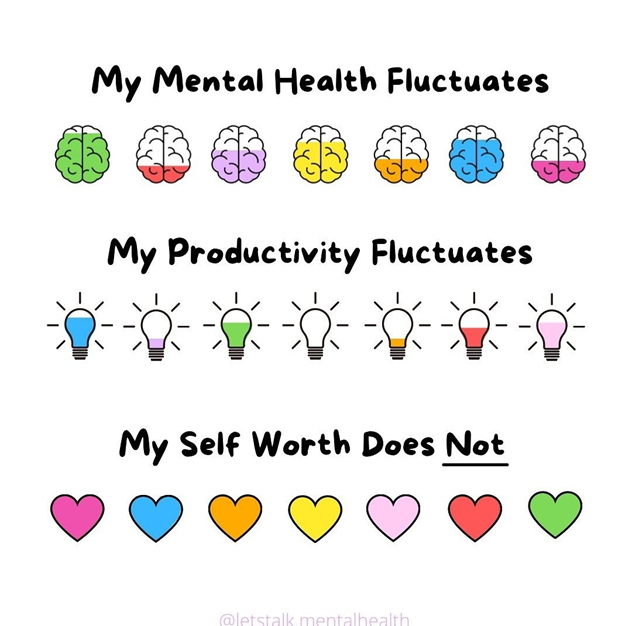
I have a love/hate relationship with exercise. On one hand I know why it is important from a health perspective and how it makes me feel better once I’ve done it. And, on the other hand, I often have trouble motivating myself to get it done. One of the things I have come to realize it that for me to move my body, I need to have someone to do it with. It works best for me if it doesn’t feel like exercise, but more of an activity that I enjoy, such as walking, paddle boarding, swimming or hiking. I have set myself up for success by planning multiple walks/hikes with different friends throughout the week. I’ve created a consistent routine where someone is expecting me to show up, so I’m less likely to cancel - and the bonus is that I gain friend time and exercise!
Exercise as a Natural Mood Regulator
One of the most well-established benefits of exercise is the impact on mood. Physical activity stimulates the release of endorphins - chemicals in the brain that act as natural painkillers and mood elevators. It also supports the regulation of neurotransmitters such as serotonin and dopamine, which play key roles in reducing depression and anxiety. For many people, even a short walk can create a noticeable shift: tension softens, thoughts become clearer, and a sense of emotional “heaviness” begins to lift. While exercise is not a replacement for therapy or medication when those are needed, it can be a helpful place to start if you want to improve your mood.
Reducing Anxiety Through Movement
Anxiety often lives in the body as much as in the mind and shows up as physical symptoms of a racing heart, shallow breathing, and muscle tension. Exercise provides a healthy outlet for this physiological activation and activities like running, swimming, or even brisk walking can help “burn off” excess stress hormones such as cortisol and adrenaline. Additionally, repetitive, rhythmic movements (like cycling, jogging or walking) can have a calming, almost meditative effect because of the bilateral movement of the body. This helps regulate the nervous system, making it easier to return to a state of balance.
Building Emotional Resilience
Exercise also strengthens psychological resilience and flexibility - the ability to cope with stress, setbacks, and uncertainty. Setting and achieving small physical goals reinforces a sense of competence and self-efficacy. This can carry over into other areas of life, for example some people notice feeling more capable of handling challenges at work, in relationships, or during periods of change. Movement becomes not just a physical practice, but a way of reinforcing the belief “I can do hard things.”
Improving Sleep and Cognitive Function
Sleep and mental health are deeply interconnected. Regular exercise has been shown to improve sleep quality by helping regulate circadian rhythms and reducing restlessness. Better sleep, in turn, supports emotional regulation, concentration, and decision-making. Exercise also increases blood flow to the brain, which can enhance cognitive function, memory, and focus. This is particularly helpful for individuals experiencing brain fog, burnout, or symptoms of depression and anxiety.
Supporting Connection and Reducing Isolation
Movement doesn’t have to be a solo activity. Group classes, team sports, or even walking with a friend can foster social connection, which is an essential component of mental health. For those experiencing loneliness or isolation, shared physical activity can provide a low-pressure way to engage with others.
Making Exercise Accessible and Sustainable
It’s important to challenge the idea that exercise must be intense or time consuming to be beneficial. From a mental health perspective, consistency matters more than intensity. Gentle, regular movement, such as stretching, walking, yoga, or dancing in your living room can all contribute to improved wellbeing.
If you’re just starting out, consider:
* Choosing activities you genuinely enjoy
* Setting realistic, flexible goals
* Focusing on how you feel rather than how you perform
* Being compassionate with yourself on low energy days

Exercise is not a magic cure, and it’s not always easy, especially when mental health challenges reduce motivation or energy. However, even small amounts of movement can create meaningful shifts over time. Think of movement as one piece of a broader mental health puzzle, along with the other ways you may support yourself (therapy, social support, rest, and self-reflection). If you’re struggling to get started, you’re not alone. Beginning with one small, manageable step is often enough. Our minds and bodies are deeply connected, when we care for one, we are supporting the other too.
Take good care,
Lisa


Comments